What a Difference a Day Makes: Siobhán Peoples on losing her brother to suicide

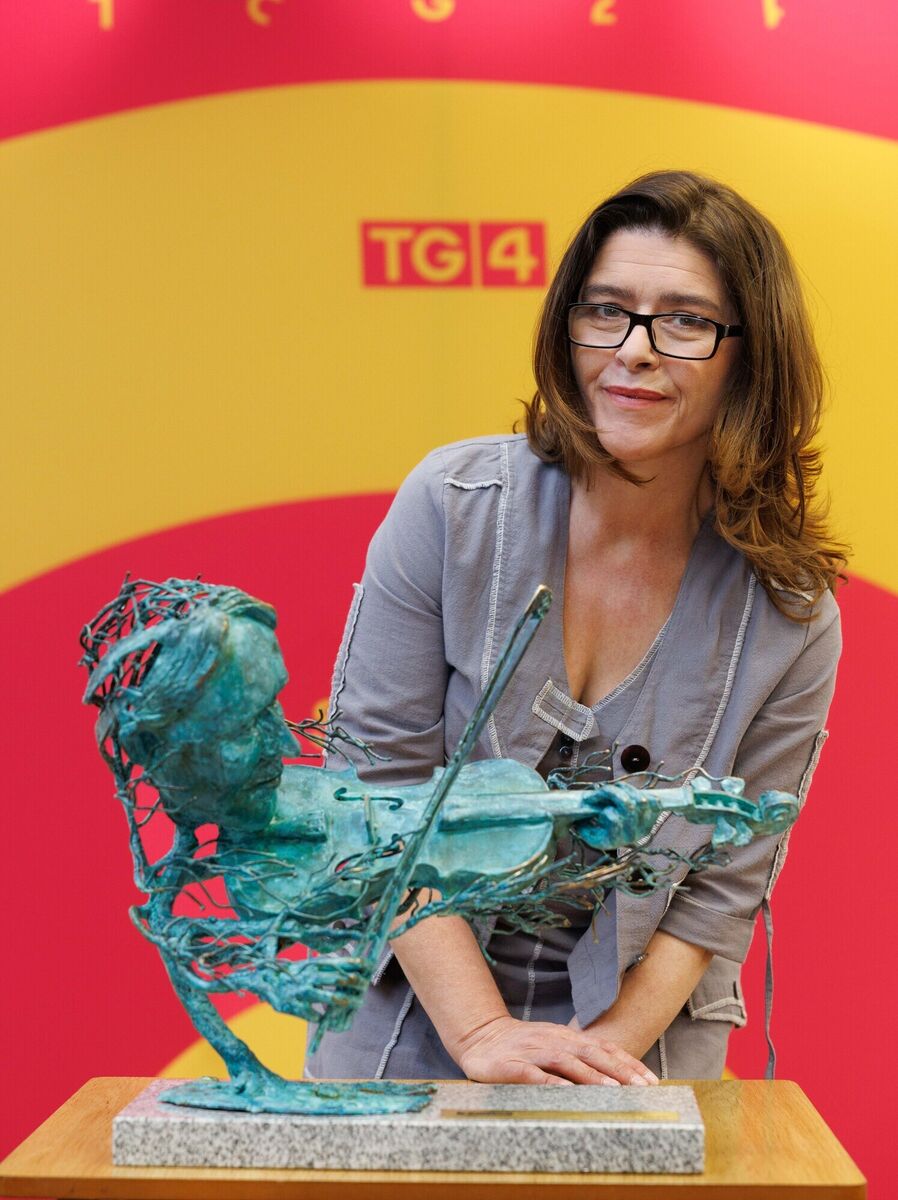
Siobhán Peoples: "Suicide is devastating. You can’t get angry at anything. You’ve no avenue with a suicide. It’s very difficult to resolve." Pic: Bryan Brophy, 1Image Photography
My brother, Tommy Óg, was a very deep sort of person for a young man. He was very much into sport. He played football for Kilfenora, hurling for Ruan, our home parish outside Ennis.
He’d planned to try out for the Clare team – he’d bought new boots in anticipation of the try-outs.
In March 1990 he was just 21. My grandfather found him in the shed behind his house. He saw the light on, went out.
My grandfather was speaking to him a few minutes before he realised there was no response.
Suicide was not common then.
My grandfather had to go upstairs, tell my grandmother. And then they had to get word to my mother – we didn’t have a phone so it was done via neighbours.
She was running a fundraiser in the local hall – someone came to take her to the neighbours.
My dad was driving home after playing that night in Mother Redcaps. I was in my friend’s house.
The call came from my uncle – ‘Tommy is dead’. My dad was Tommy too, I assumed it was him because he was in the car, driving. I never thought it was my brother.
I called the neighbour’s house, spoke to my mother and she told me. I thought maybe he’d been knocked down coming from a disco. It was then I found out it was suicide…
People still approach me in Ennis who went to school with him. I’m happy when they talk about him.
He was an unusual young fellow. My mother and I still speak about the number of girls who – when he passed away – came with single red roses. He wasn’t a Don Juan but he was handsome.
He was also very sensitive and kind. He went to an all-boys secondary school and he protected a lot of the quieter boys. He’d get them to hang out with him.
He was considered cool – he was a great hurler and his dad was famous, as famous as you could be in Ireland at the time.
The culture then – teenage discos, fights arranged for after three o’clock in the park. There was a lot of boxing, fellas fighting. Tommy Óg defended a lot of people but he was also challenged a lot.
There had been an altercation that night, which involved the Guards – my father had questions about it afterwards.
It’s a long time ago now. It was his life to make his choices. The impact it has on a family, a community – the ripples of it. It breaks your parents.
The death of a child is hard – but by their own hand, in a time when it was illegal…
And my parents were also given a responsibility by the Guards to watch all the other young people in the locality – keep an eye out for all the local young people for telltale signs. They were afraid of copycat suicides.
I’ve discussed it with my mother. In some mad way, it takes away your ability to fully grieve.
You can’t embrace it fully because you’re conscious as a parent towards other parents – that if something happens to their child, it’s somehow your child’s fault.
It’s an awful strain on a family. My parents ended up separating.
On his 10-year anniversary I looked up into the sky and I said I can’t do this anymore. I had 10 years of tears and questions. On some level, I knew it was no way to honour my brother’s life.
I let him go that day – and what I realised was that I let go of my memory of him, not him. I started to sense him around me then, in real time, not in memory.
One evening, sitting at home reading, I got what felt like a nudge.
I looked up at the television and it was something very peculiar – some comedy Tommy Óg and I had watched and laughed at together previously – something that wouldn’t normally be on TV then. It was the wrong time, the wrong context.
I felt a sense of peace and I could laugh quite freely without crying.
I don’t know how it all works. Maybe it’s to do with music, or some kink in some members of society – my sister’s similar – or maybe something we don’t look for anymore. But it was a corner I was very glad to have turned.
The time of the nudge was when I realised I wasn’t allowing Tommy Óg to be as he is. He had changed what he was, but I hadn’t allowed for that. I was hanging onto a memory of him.
That peace continued for quite a while. As you get older, you think deeper and wiser – other things pop up.
During lockdown, I had a big cleanse – grieving is an ongoing process, depending on where you are in life. Sometimes I grieve for what he didn’t get to experience.
I still feel really close to him. Which is great because then I don’t miss him. Generally, I feel the closeness when I’m playing the fiddle.
You have to dig deep to honour music. I always believe the music you make is the voice of the people who have passed.
- Ennis Co Clare fiddle-player Siobhán Peoples is winner of the Gradam Ceoil TG4 Ceoltóir na Bliana 2025.